TS IndieDev

Name

Email *

Message *

How to build growth mindset in our life

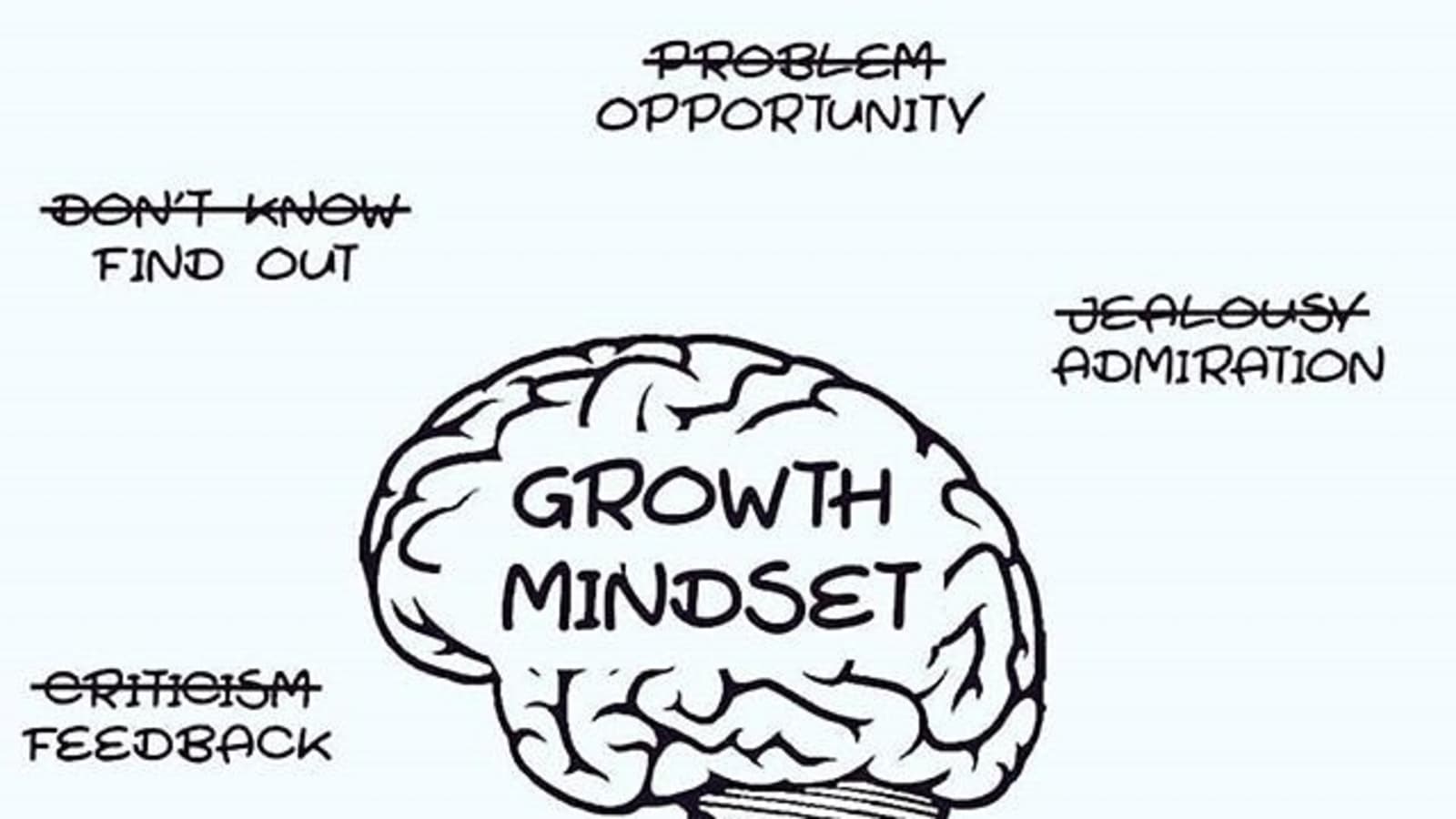
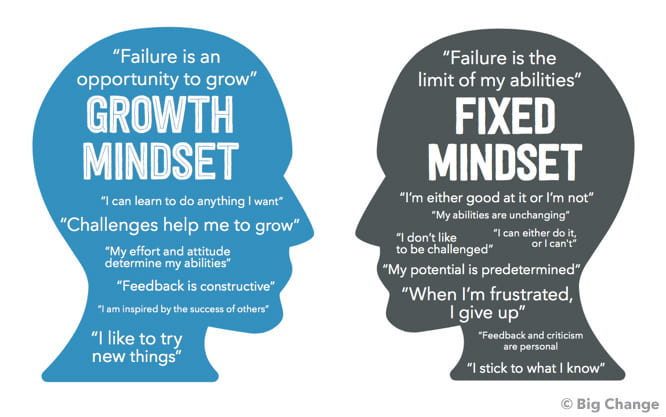
Cultivating a growth mindset is a transformative approach to personal development and learning. Unlike a fixed mindset, where abilities and intelligence are perceived as static traits, a growth mindset sees challenges as opportunities for growth and effort as a path to mastery. Embracing the power of "yet" and learning from failures are integral aspects of this mindset. By adopting these principles, individuals can develop resilience, a love for learning, and the belief that their abilities can be developed over time. This mindset shift can have a profound impact on personal and professional growth, fostering a lifelong journey of improvement and achievement.

Embrace Challenges:

To develop a growth mindset, embrace challenges as opportunities for growth and learning. Rather than avoiding difficulties, see them as chances to improve and develop your skills.

See Effort as the Path to Mastery:

Understand that effort is a fundamental part of the learning process. Believe that the more effort you invest in something, the more proficient you'll become. Effort is a necessary step towards mastery.

Use the Power of "Yet":

Incorporate the word "yet" into your vocabulary when faced with challenges or setbacks. Instead of saying, "I can't do this," say, "I can't do this yet." This subtle shift in language suggests that improvement and progress are possible with time and effort.
Learn from Failures:

Reframe failures as valuable learning experiences. Rather than seeing them as endpoints, view them as stepping stones to improvement. Analyze what went wrong, extract lessons from the experience, and apply those lessons to future endeavors. Every setback can be an opportunity for growth and development.

Cultivating a growth mindset involves adopting these key attitudes and perspectives towards challenges, effort, language, and failures. By integrating these principles into your thinking and actions, you can foster a mindset that embraces continuous learning and development. In conclusion, developing and nurturing a growth mindset is a powerful and transformative journey. Embracing challenges, understanding the role of effort, incorporating the word "yet," and learning from failures are all essential components of this mindset. By adopting these principles, individuals can foster a lifelong commitment to personal development, resilience, and the belief that continuous improvement is not only possible but a rewarding and fulfilling path to success. Cultivating a growth mindset can lead to greater accomplishments and a deeper appreciation for the learning process in various aspects of life.


                                  Thank you for reading....

How to build positive attitude in our life

Building a positive attitude is a valuable skill that can improve your overall well-being and help you navigate life's challenges with optimism and resilience. Here are some steps to help you cultivate and maintain a positive attitude:

1. Practice Gratitude:

   - Start each day by reflecting on the things you're grateful for. This simple habit can shift your focus toward the positive aspects of your life.

2. Positive Affirmations:

   - Use positive affirmations to challenge and replace negative self-talk with constructive and optimistic statements.

3. Surround Yourself with Positivity:

   - Spend time with people who uplift and support you. Avoid or limit exposure to negative influences.

4. Mindfulness and Meditation:

   - Practice mindfulness and meditation to stay present, reduce stress, and foster a positive mindset.

5. Set Realistic Goals:

   - Set achievable goals that inspire and motivate you. Celebrate your accomplishments along the way.

6. Focus on Solutions:

   - When faced with challenges, shift your focus from problems to solutions. Consider what you can control and take proactive steps.

7. Learn from Setbacks:

   - View setbacks as opportunities for growth. Analyze what went wrong, extract lessons, and apply them to future endeavors.

8. Cultivate Optimism:

   - Foster a hopeful outlook by choosing to see the good in situations and people. Train your mind to expect positive outcomes.

9. Practice Self-Compassion:

   - Be kind and compassionate toward yourself, especially when you make mistakes or face difficulties.

10. Stay Active:

    - Regular physical activity can boost mood and overall positivity. Exercise releases endorphins, which are natural mood lifters.

11. Limit Negative Media Exposure:

    - Be mindful of the media you consume. Limit exposure to negative news or content that can influence your mindset.

12. Help Others:

    - Acts of kindness and helping others can bring a sense of fulfillment and positivity to your life.

13. Keep a Positive Journal:

    - Maintain a journal where you write down positive experiences, achievements, or moments of gratitude.

14. Seek Professional Help:

    - If negative thoughts and emotions persist and affect your daily life, consider seeking the guidance of a mental health professional.

15. Smile and Laugh:

    - Incorporate humor into your life. Laughter is a powerful mood enhancer and stress reducer.

16. Celebrate Small Wins:

    - Recognize and celebrate even small achievements. This can boost your confidence and positivity.

Building a positive attitude is an ongoing process that requires practice and self-awareness. While challenges may arise, your commitment to maintaining a positive outlook can significantly impact your overall happiness and well-being. Remember that positivity is a choice, and with effort and persistence, you can develop and nurture a more positive mindset.


                              Thank you for reading....
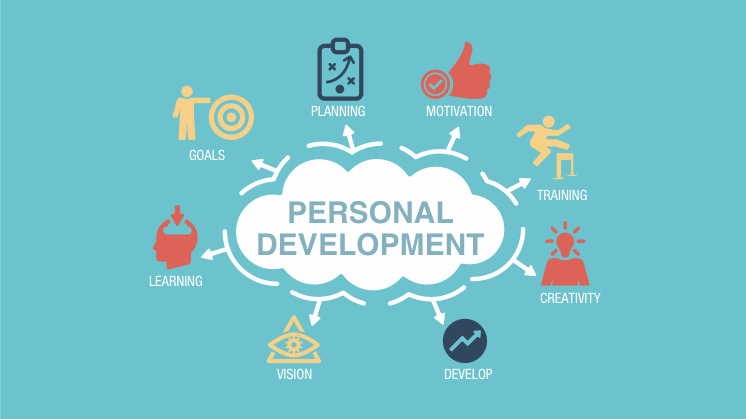
Top 5 things never forget on hard times in our life

In the face of adversity and challenging times, it's essential to remember a few key principles for maintaining resilience and well-being. These principles include recognizing the transient nature of difficulties, acknowledging your own strength, seeking support when needed, prioritizing self-care, and embracing the potential for personal growth and learning from tough experiences. These fundamental reminders can serve as a source of strength and guidance during hard times.

1. This Too Shall Pass: Remember that difficult times are temporary. Life is full of ups and downs, and even the most challenging situations eventually improve or come to an end.

2. Your Resilience: Acknowledge your own strength and resilience. You've overcome challenges before, and you have the capacity to do so again. Believe in your ability to adapt and persevere.

3. Seek Support: Don't hesitate to reach out to friends, family, or professionals for support. Sharing your feelings and seeking help when needed can make a significant difference during tough times.

4. Self-Care Matters: Prioritize self-care, including physical and mental well-being. Taking care of yourself ensures you have the strength and resilience to face adversity.

5. Learn and Grow: Challenges often come with valuable lessons. Embrace the opportunity to learn and grow from difficult experiences. They can lead to personal development and new perspectives.

By keeping these five things in mind, you can better navigate difficult times and maintain your overall well-being. Remember that reaching out for support and taking care of yourself are crucial steps in facing life's challenges. In conclusion, these five essential reminders can help you navigate challenging times with resilience and well-being. Remember that difficulties are temporary, recognize your inner strength, seek support, prioritize self-care, and embrace the potential for personal growth. By keeping these principles in mind, you can better cope with adversity and emerge stronger from tough experiences.


                           Thank you for reading...

Top 10 universal skills build our life

Universal skills, often known as soft skills or life skills, are essential competencies that enhance personal and professional growth. They are versatile abilities that apply across various aspects of life, including relationships, work, and personal development. These skills encompass effective communication, emotional intelligence, critical thinking, adaptability, time management, stress management, resilience, leadership, teamwork, and problem-solving. Developing these skills can lead to improved interactions, better decision-making, and greater success in both personal and professional endeavors.

1. Communication: Effective communication, both verbal and written, is crucial for building relationships, resolving conflicts, and conveying ideas clearly.

2. Emotional Intelligence: This skill involves recognizing, understanding, and managing your emotions and the emotions of others, fostering better interpersonal relationships.

3. Critical Thinking: Develop the ability to think critically, analyze information, and make informed decisions.

4. Adaptability: Cultivate flexibility and the ability to adapt to changing circumstances and challenges.

5. Time Management: Efficiently manage your time, prioritize tasks, and avoid procrastination to maximize productivity.

6. Stress Management: Learn strategies to reduce stress and maintain emotional well-being in high-pressure situations.

7. Resilience: Build emotional resilience to bounce back from setbacks and adversity with a positive attitude.

8. Leadership: Develop leadership skills, including the ability to inspire and guide others, even in non-leadership roles.

9. Teamwork: Enhance your ability to collaborate effectively within teams, communicate, and contribute to group goals.

10. Problem Solving: Hone your problem-solving skills, which involve identifying issues, analyzing solutions, and making informed choices.

In conclusion, universal skills, also known as soft skills or life skills, are fundamental competencies that benefit personal and professional growth. Developing and honing these skills, such as communication, emotional intelligence, critical thinking, and adaptability, can enhance your effectiveness in various aspects of life, from relationships to work. They are valuable assets that contribute to personal development and success.


                                 Thank you for reading...

How to focus on your goals

Focusing on your goals and staying committed to them is essential for achieving personal and professional success. Here are some strategies to help you maintain your focus on your goals:

1. Set Clear and Specific Goals:

   - Define your goals with clarity. Make them specific, measurable, achievable, relevant, and time-bound (SMART). Having clear goals gives you a target to aim for.

2. Prioritize Your Goals:

   - Determine the most important goals in your life or for a particular period. Focus on a few key goals rather than spreading yourself too thin.

3. Create a Goal Plan:

   - Develop a detailed plan that outlines the steps you need to take to achieve your goals. Break down your goals into smaller, manageable tasks.

4. Visualize Your Goals:

   - Create a mental image of your goals being achieved. Visualization can boost motivation and help you stay focused on the desired outcome.

5. Stay Organized:

   - Use tools like calendars, to-do lists, and project management apps to keep track of your tasks and deadlines. Organized planning reduces distractions.

6. Eliminate Distractions:

   - Identify common distractions in your environment and work to minimize them. This might include turning off notifications on your devices or finding a quiet workspace.

7. Time Management:

   - Allocate dedicated time for working on your goals. Use time management techniques like the Pomodoro Technique to enhance productivity.

8. Practice Self-Discipline:

   - Train yourself to stay disciplined and avoid procrastination. Learn to resist temptations that divert your attention from your goals.

9. Stay Committed:

   - Remind yourself regularly why your goals are important to you. Keep your motivation high by focusing on the benefits of achieving them.

10. Track Your Progress:

    - Keep a record of your progress toward your goals. Celebrate small achievements along the way to maintain your enthusiasm.

11. Stay Flexible:

    - While it's essential to stay committed to your goals, be open to adjusting your plan if necessary. Sometimes, unforeseen circumstances require adaptation.

12. Seek Accountability:

    - Share your goals with a trusted friend, family member, or mentor who can hold you accountable and provide support and encouragement.

13. Positive Affirmations:

    - Use positive affirmations to boost your self-belief and motivation. Repeat affirmations related to your goals daily.

14. Continuous Learning:

    - Continuously educate yourself and acquire the skills and knowledge needed to achieve your goals. Learning keeps you engaged and focused.

15. Stay Inspired:

    - Surround yourself with inspiration. Read books, listen to podcasts, or connect with individuals who have achieved similar goals.

16. Practice Mindfulness and Meditation:

    - Mindfulness exercises and meditation can help improve your concentration and reduce stress, enhancing your ability to focus on your goals.

17. Perseverance:

    - Understand that achieving meaningful goals often requires time and effort. Stay persistent even when faced with challenges or setbacks.

Remember that maintaining focus on your goals is an ongoing process. It requires dedication, self-awareness, and the ability to adapt to changing circumstances. Regularly review and adjust your approach as needed to ensure you're making progress toward your goals.


                        Thank you for reading....
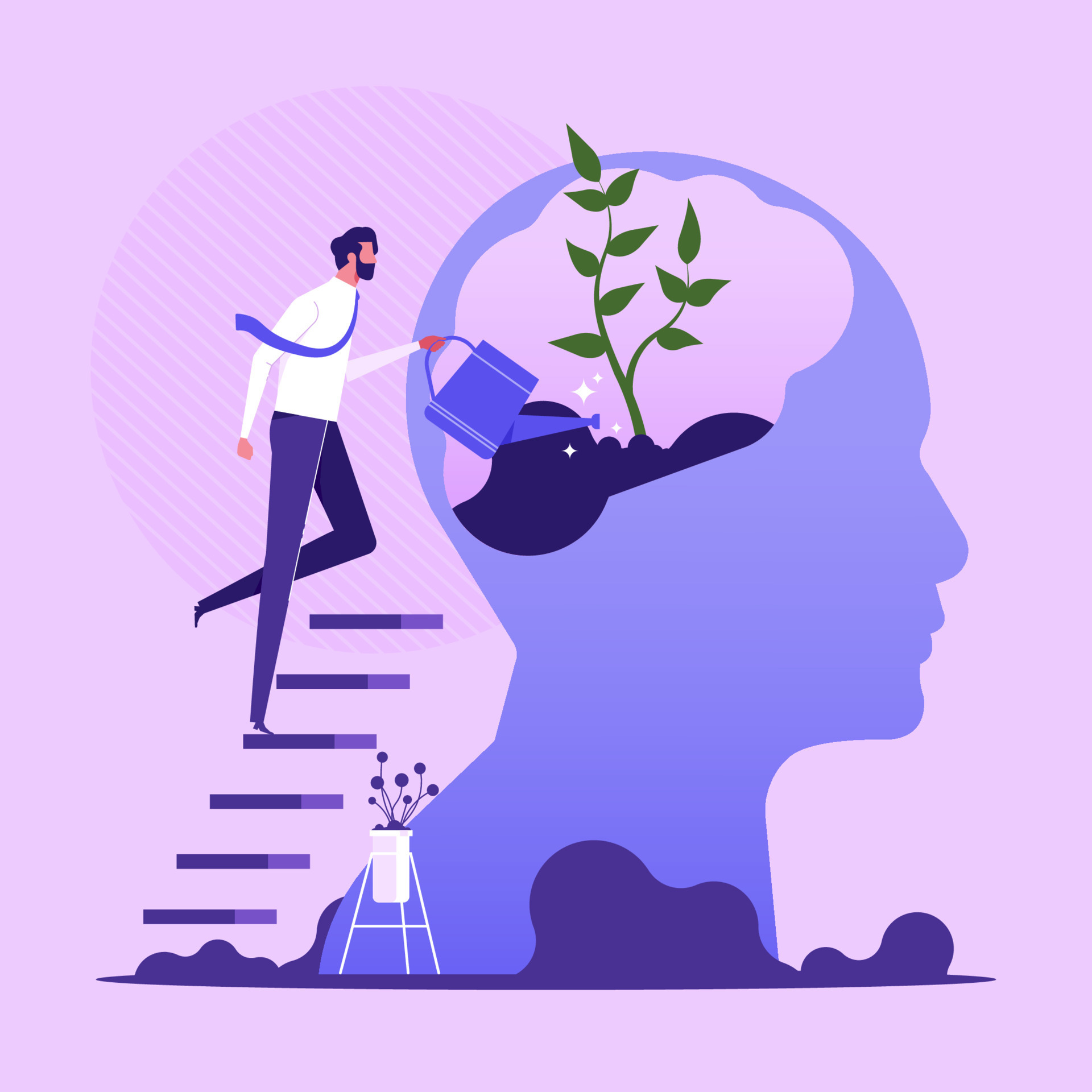
how to build self-development in themselves

Self-development, also known as personal development, is the lifelong process of improving and enhancing oneself in various aspects of life. It involves conscious efforts to grow, learn, and evolve as an individual to reach one's fullest potential and lead a more fulfilling life.

Key aspects of self-development include setting and achieving personal goals, acquiring new skills and knowledge, improving self-awareness, building self-confidence, and fostering positive habits and behaviors. Self-development can encompass a wide range of areas, including career, relationships, health, and personal well-being.

It's important to note that self-development is a highly individualized journey, and the specific goals and areas of focus can vary greatly from person to person. Some common areas of self-development include improving communication skills, time management, emotional intelligence, and physical fitness.

Self-development often involves self-reflection, goal setting, planning, and taking consistent action to make positive changes in one's life. It's a continuous process that requires dedication, patience, and a willingness to learn from both successes and setbacks.

Ultimately, self-development is about becoming the best version of oneself and living a more meaningful and purposeful life. It can lead to increased happiness, personal satisfaction, and a greater sense of fulfillment.

1. Set Clear Goals: Define specific and achievable goals for personal growth.

2. Continuous Learning: Commit to lifelong learning to acquire new knowledge and skills.

3. Self-Discipline: Cultivate self-discipline to stay focused and avoid procrastination.

4. Self-Awareness: Understand your emotions, reactions, and thought patterns.

5. Physical Health: Maintain your physical health through exercise, diet, and sleep.

6. Networking: Build a supportive network of like-minded individuals.

7. Seek Feedback: Be open to constructive feedback from others.

8. Adaptability: Embrace change and be adaptable to new circumstances.

9. Positivity and Resilience: Cultivate a positive mindset and resilience in the face of challenges.

10. Self-Care: Prioritize self-care and well-being through relaxation and enjoyable activities.

In conclusion, self-development is a transformative and ongoing journey that empowers individuals to grow, evolve, and lead more fulfilling lives. It's a process that encourages self-improvement in various aspects, including personal, professional, and emotional well-being. By setting clear goals, continuously learning, practicing self-discipline, and fostering self-awareness, individuals can make positive changes and achieve their full potential.

Self-development is a deeply personal endeavor, and each person's path is unique. It involves self-reflection, introspection, and a commitment to making intentional choices that align with one's values and aspirations. While the journey may have its challenges, setbacks, and moments of self-discovery, the rewards of self-development are often profound.

Ultimately, self-development leads to increased self-confidence, resilience, and the ability to adapt to life's challenges with grace. It enhances one's quality of life, relationships, and sense of purpose. By embracing self-development as a lifelong pursuit, individuals can create a more meaningful and satisfying life for themselves and those around them.


                              Thank you for reading....

How to build top 10 skills in our life

Building the top 10 skills in life is a pathway to personal and professional growth. These skills, ranging from communication and critical thinking to adaptability and leadership, are essential for success in various aspects of life. In this concise guide, we'll explore each of these skills, offering practical insights and tips to help you develop and strengthen them. Whether you're striving for career advancement, better relationships, or personal fulfillment, mastering these skills will empower you to navigate life's challenges and opportunities more effectively.

1. Communication Skills:

   - Practice active listening and empathy to understand others better.

   - Join public speaking clubs or classes to improve your verbal communication.

2. Critical Thinking:

   - Question assumptions and seek multiple perspectives on issues.

   - Solve puzzles, riddles, or play strategy games to enhance problem-solving abilities.

3. Emotional Intelligence:

   - Develop self-awareness by regularly reflecting on your emotions.

   - Work on empathy by putting yourself in others' shoes and understanding their feelings.

4. Creativity:

   - Engage in creative hobbies like painting, writing, or music.

   - Explore new experiences and environments to inspire creativity.

5. Adaptability:

   - Embrace change and new challenges rather than resisting them.

   - Continuously learn and acquire new skills to stay adaptable.

6. Time Management:

   - Use tools like calendars and to-do lists to organize your tasks.

   - Prioritize tasks based on importance and deadlines.

7. Leadership:

   - Seek leadership roles in group activities or volunteer organizations.

   - Develop leadership skills through mentorship and coaching.

8. Teamwork:

   - Collaborate on group projects or participate in team sports.

   - Practice active communication and conflict resolution within teams.

9. Problem Solving:

   - Break complex problems into smaller, manageable parts.

   - Analyze past decisions and outcomes to improve your problem-solving skills.

10. Decision Making:

    - Gather information, weigh pros and cons, and make decisions based on values and goals.

    - Learn from both good and bad decisions to refine your decision-making abilities.

In conclusion, developing and honing the top 10 life skills is an ongoing journey. By cultivating these skills, you're equipping yourself with valuable tools for personal and professional success. Remember that growth takes time and effort, so be patient with yourself. Continue to seek opportunities for improvement and apply these skills in your daily life. With dedication and practice, you can navigate life's complexities more skillfully and lead a fulfilling and successful life.


                      Thank you for reading...

How to make financial planning

Embarking on a journey towards financial stability and prosperity begins with effective financial planning. Whether you're looking to bu...