TS IndieDev

Name

Email *

Message *

How to do time management in our life

Time management is a foundational skill that plays a pivotal role in our personal and professional lives. Effectively managing your time allows you to make the most of your hours, accomplish your goals, and reduce stress. In this guide, we will explore proven techniques and strategies to enhance your time management skills. Whether you're a student juggling coursework, a professional managing a busy schedule, or anyone seeking to make the most of their time, these tips will help you prioritize tasks, stay organized, and achieve a better work-life balance.

1. Set Clear Goals: Define your short-term and long-term goals. Knowing what you want to achieve will help you prioritize your tasks

2. Prioritize Tasks: Use techniques like the Eisenhower Matrix to categorize tasks into four quadrants: urgent and important, important but not urgent, urgent but not important, and neither urgent nor important. Focus on tasks in the first two categories.

3. Create a To-Do List: Make a daily or weekly to-do list. Include both work-related and personal tasks. Keep it realistic and manageable.

4. Plan Your Day: Allocate specific time blocks for tasks on your to-do list. Consider using time management techniques like the Pomodoro Technique (25 minutes of focused work followed by a 5-minute break).

5. Eliminate Distractions: Identify common distractions in your environment and minimize them. This might mean turning off notifications on your phone, using website blockers, or finding a quiet workspace.

6. Use Technology Wisely: Utilize digital tools and apps for task management and scheduling. Calendar apps, task management apps, and note-taking apps can be incredibly helpful.

7. Learn to Say No: Don't overcommit. If a new task or responsibility doesn't align with your goals or fit into your schedule, politely decline or negotiate.

8. Delegate When Possible: If you have a team or colleagues, delegate tasks that others can handle effectively. Delegation frees up your time for higher-priority activities.

9. Batch Similar Tasks: Group similar tasks together. For example, respond to emails during a designated time rather than sporadically throughout the day.

10. Set Deadlines: Even for tasks that don't have external deadlines, set your own. This creates a sense of urgency and helps you stay on track.

11. Use Time Blocks: Allocate specific blocks of time for focused work, meetings, and breaks. Stick to your schedule as closely as possible.

12. Review and Reflect: At the end of each day or week, review what you've accomplished and adjust your plan if necessary. Reflect on what worked and what didn't.

13. Practice Self-Care: Ensure you get enough sleep, eat well, and engage in regular exercise. A healthy body and mind are essential for effective time management.

14. Learn to Delegate: If you have the option, delegate tasks to others. Delegation can free up valuable time for more critical responsibilities.

15. Stay Flexible: Unexpected events can disrupt your schedule. Learn to adapt and reschedule tasks when necessary.

16. Use Time-Blocking: Allocate specific blocks of time for different types of tasks. For example, you might allocate 9 AM to 11 AM for focused work, 11 AM to 12 PM for meetings, and so on.

17. Avoid Multitasking: Focus on one task at a time. Multitasking can reduce your efficiency and lead to errors.

18. Set Boundaries: Establish clear boundaries between work and personal life. This helps prevent burnout and maintains work-life balance.

19. Seek Continuous Improvement: Regularly assess your time management skills and look for ways to improve. Be open to trying new techniques and strategies.

20. Celebrate Achievements: Acknowledge your accomplishments, both big and small. Celebrating your successes can boost motivation.

Remember that effective time management is a skill that takes practice and continuous refinement. It's about making intentional choices about how you spend your time to align with your goals and priorities. By implementing these strategies, you can make the most of your time and achieve a better work-life balance. As we conclude this exploration of time management, remember that it's not about squeezing every minute of your day with tasks. It's about using your time intentionally to create a life that aligns with your values and goals. By implementing effective time management strategies, you can reduce stress, increase productivity, and find more opportunities for personal growth and enjoyment. Make a commitment to regularly practice these techniques, adapt them to your unique circumstances, and stay open to learning and improvement. Ultimately, the art of time management is a lifelong journey, and with dedication, you can master it to lead a more fulfilling and balanced life.


                                   Thank you for reading....

Top 20 Habits of 90 days hard challenge to better version in our life

Transforming your life and achieving personal growth often starts with cultivating positive habits. These habits shape your daily routines and ultimately influence the trajectory of your life. Whether you aspire to enhance your physical health, boost your career, or foster better relationships, the power of habit is undeniable. In this guide, we'll explore a range of transformative habits that can help you become the best version of yourself. From setting clear goals to prioritizing self-care and continuous learning, these habits have the potential to create lasting positive change in your life.

1. Set Clear Goals: Start by defining what you want to achieve in various aspects of your life, whether it's career, health, relationships, or personal growth. Having clear goals gives you direction.

2. Morning Routine: A well-structured morning routine can set a positive tone for the day. Incorporate activities like meditation, exercise, reading, or journaling.

3. Healthy Eating: Focus on a balanced diet with plenty of fruits, vegetables, lean proteins, and whole grains. Avoid excessive processed foods and sugar.

4. Regular Exercise: Physical activity is essential for both physical and mental well-being. Find a form of exercise you enjoy, whether it's walking, running, yoga, or team sports.

5. Mindfulness and Meditation: Practice mindfulness to reduce stress and increase self-awareness. Meditation can help you stay calm and focused.

6. Continuous Learning: Cultivate a habit of lifelong learning. Read books, take courses, and seek knowledge in areas that interest you.

7. Time Management: Learn effective time management techniques like the Pomodoro technique, to make the most of your time and avoid procrastination.

8. Prioritization: Prioritize tasks and responsibilities based on their importance and urgency. Focus on high-impact activities.

9. Journaling: Keeping a journal can help you reflect on your thoughts and emotions, set goals, and track your progress.

10. Gratitude Practice: Regularly express gratitude for the positive aspects of your life. It can enhance your overall sense of well-being.

11. Positive Self-Talk: Replace negative self-talk with positive and encouraging thoughts. Practice self-compassion.

12. Networking: Build and nurture meaningful relationships both personally and professionally. Networking can open doors and provide support.

13. Financial Planning: Develop good financial habits, including budgeting, saving, and investing for the future.

14. Decluttering: Declutter your physical space regularly. An organized environment can lead to a clearer mind.

15. Limit Screen Time: Reduce excessive screen time, especially on social media, to improve productivity and mental health.

16. Healthy Sleep: Prioritize sleep and aim for 7-9 hours of quality sleep each night.

17. Random Acts of Kindness: Regularly perform acts of kindness for others. It's a simple way to bring positivity to your life.

18. Visualization: Visualize your goals and success. It can boost motivation and confidence.

19. Adaptability: Cultivate adaptability and resilience. Life is full of changes, and being flexible helps you navigate them.

20. Saying "No": Learn to say no to commitments and activities that don't align with your goals or values.

Remember that building new habits takes time and effort. Start with one or two habits that resonate with you, and gradually incorporate more as you go along. Consistency is key, and over time, these habits can lead to significant positive changes in your life. As you embark on your journey of personal growth and positive change, remember that habits are the building blocks of a better life. The habits you cultivate today can shape your tomorrow. Take the time to reflect on the habits that resonate most with you and align with your goals and values. Start small, stay consistent, and be patient with yourself as you work towards lasting transformation. Over time, these habits can lead you towards a more fulfilling and successful life. Embrace the power of habits, and let them guide you on your path to becoming the best version of yourself.


                                Thank you for reading...

Pixel Space Shooter Game

Pixel Space Shooter Game:

Short Description: Dive into a captivating pixelated world and enjoy addictive gameplay in this delightful and simple game!

Long Description:

Immerse yourself in a charming pixelated world with our addictive and easy-to-play game! Take a nostalgic journey back to the golden age of gaming as you embark on an exciting adventure filled with pixelated landscapes and captivating gameplay.

In this simple yet captivating pixel game, you'll navigate through beautifully designed levels, overcoming obstacles, and collecting treasures along the way. With intuitive controls and a straightforward objective, it's easy for players of all ages to jump right in and start having a blast!

Challenge yourself with increasingly challenging levels that will test your reflexes and strategic thinking. Discover hidden secrets, unlock new characters, and upgrade your abilities as you progress through the game. With each victory, you'll feel a sense of accomplishment and a burning desire to conquer the next challenge.

Features:

  • Simple gameplay
  • Pixel graphics
  • Charming visuals
  • Addictive mechanics
  • Easy controls
  • Level-based challenges
  • Engaging soundtrack
  • Relaxing gameplay
  • Quick breaks
  • Endless fun

HOW TO PLAY:

Introduction: Welcome to the thrilling world of our simple pixel space shooter game! Get ready to embark on an exciting journey through space and engage in epic battles against waves of enemy ships. This guide will walk you through the basic controls and gameplay mechanics to help you become a skilled space pilot.

Objective: Your objective is to survive the onslaught of enemy ships and achieve the highest score possible. Destroy as many enemy ships as you can while avoiding their attacks. each with increasing difficulty and unique enemy formations. Progress through the levels, defeat challenging bosses, and aim for the top position on the global leaderboards.

Conclusion: Now that you have a grasp of the controls and gameplay mechanics, it's time to dive into the thrilling world of our simple pixel space shooter game. Equip your spacecraft, take aim, and show the galaxy your skills as a fearless space pilot. Engage in intense battles, achieve high scores, and become the ultimate space ace!


More:

  1. Retro
  2. Pixelated
  3. Arcade
  4. Intense
  5. Action-packed
  6. Space combat
  7. Alien invasion
  8. Upgrades
  9. Power-ups
  10. Boss battles
  11. High scores
  12. Nostalgic
  13. Addictive
  14. Fast-paced
  15. Challenging
  16. Strategic
  17. Cosmic adventure
  18. Endless shooter
  19. Retro-inspired visuals
  20. Exciting sound effects

Download Link: https://ts-indiedev.itch.io/pixel-space-shooter-game

10 Key Considerations at Age 25

Reaching the age of 25 is a significant juncture in life, often marked by a blend of youthful exploration and growing responsibility. It's a time of self-discovery, career development, and laying the foundations for your future. In this guide, we'll explore the top ten considerations for navigating your mid-20s successfully.

1. Self-Discovery: Your mid-20s are a time of self-discovery. You're likely gaining a clearer sense of your values, interests, and long-term goals.

2. Carrer Path: It's a good time to assess your career path. Are you on the right track? Are there skills you need to develop? Consider your future aspirations.

3. Financial Responsibility: Take steps to secure your financial future. Start saving and investing, create a budget, and manage your debts wisely.

4. Health and Well-being: Prioritize your physical and mental health. Establish a healthy lifestyle, including regular exercise, balanced nutrition, and stress management.

5. Networking: Build a strong professional network. Connections made in your mid-20s can have a significant impact on your career.

6. Education and Skills: Continue learning and acquiring new skills. Consider whether further education or professional certifications are necessary for your career goals.

7. Relationships: Nurture meaningful relationships. Your 20s are a time for building both romantic and platonic connections.

8. Travel and Experiences: If possible, explore new places and experiences. Travel can broaden your perspective and create lasting memories.

9. Independence: Embrace independence and responsibility. You may be living on your own, managing your finances, and making important life decisions.

10. Balance: Strive for a work-life balance that allows you to pursue your passions, enjoy your social life, and advance in your career.

Remember that everyone's journey is unique, and there's no set timeline for achieving specific milestones. The most important thing is to use this time to grow, learn, and make choices that align with your values and aspirations. As you continue your journey beyond 25, remember that life is a dynamic adventure. Embrace change, learn from your experiences, and keep striving for personal growth and fulfillment. Your future holds countless opportunities for success and happiness.


                                  Thank you for reading.....

How to become an ambivert in our life

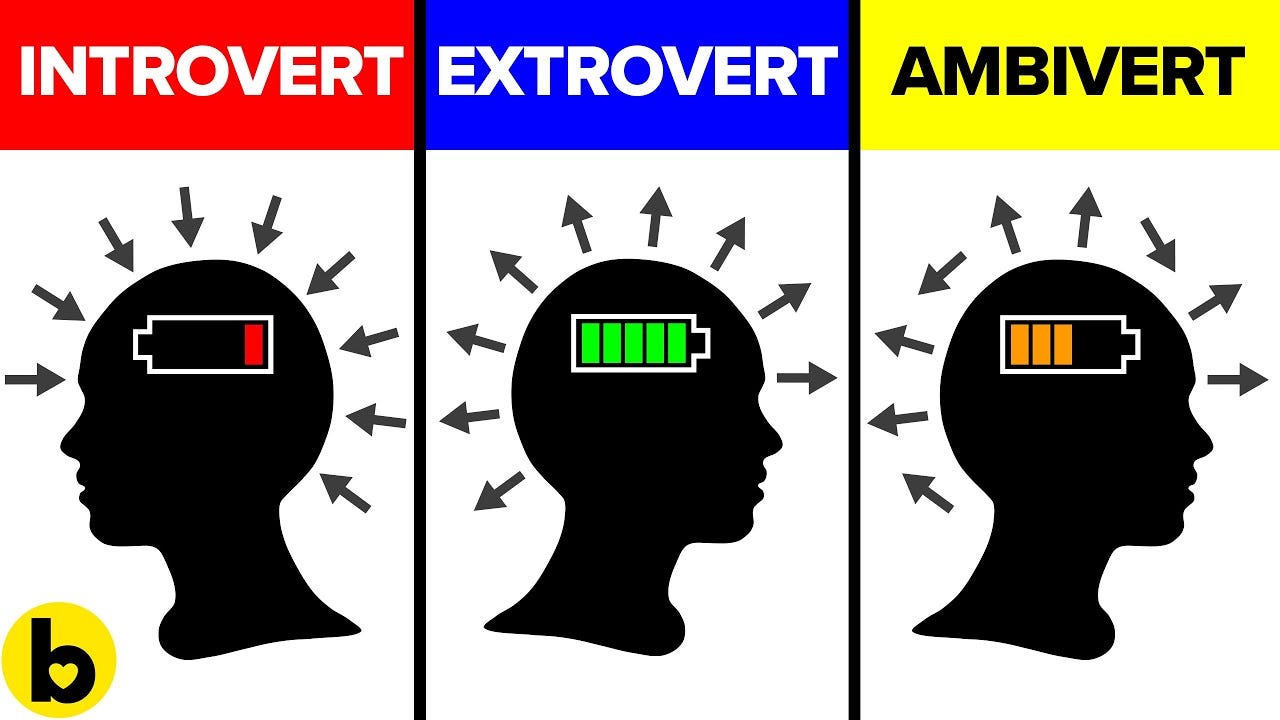
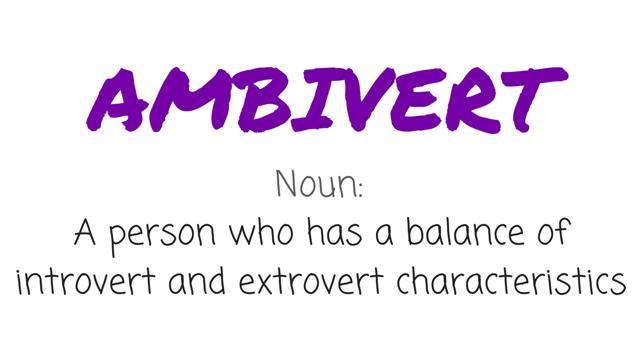
Balancing the qualities of both introversion and extroversion can open doors to more flexible and adaptable social interactions. Becoming an ambivert, someone who seamlessly transitions between introverted and extroverted tendencies, offers a range of benefits in personal and professional life. In this guide, we'll explore strategies to cultivate an ambiverted approach, allowing you to thrive in various situations and relationships. Becoming an ambivert, someone who exhibits a balanced mix of introverted and extroverted qualities, involves developing a flexible and adaptable approach to social interactions and personal growth. Here are some steps to help you become more ambiverted:

1. Self-Awareness:

   - Start by understanding your current tendencies. Reflect on times when you felt more introverted or extroverted and the situations that influenced those feelings.

2. Set Balanced Goals:

   - Identify areas in your life where you'd like to develop introverted or extroverted qualities. Set specific goals for improving those areas, both in your personal and professional life.

3. Step Out of Your Comfort Zone:

   - To develop extroverted qualities, challenge yourself to engage in social activities regularly. Attend networking events, join clubs, and seek opportunities for group interactions.

   - For introverted qualities, allocate time for solitude and self-reflection. Create a daily or weekly routine that allows you to recharge in a quiet space.

4. Practice Active Listening:

   - Cultivate the skill of active listening, which involves fully focusing on what others are saying without immediately formulating a response.

   - Engage in conversations with the intention of understanding the other person's perspective, feelings, and needs.

5. Seek Feedback:

   - Ask for feedback from friends, colleagues, or mentors about your communication style. They can provide insights into areas where you might need to develop introverted or extroverted qualities.

6. Balance and Adapt:

   - Recognize that different situations may call for different qualities. Learn to read social cues and adapt your behavior accordingly.

   - Embrace your own personality while striving for balance. Understand that ambiversion is about flexibility and adaptability.

7. Learn Social Skills:

   - Develop strong interpersonal skills, which are valuable for both introverted and extroverted interactions. This includes skills like effective communication, empathy, and conflict resolution.

8. Continuous Learning:

   - Invest in personal development and skill-building. Take courses or workshops in areas where you want to improve, whether it's public speaking, active listening, or emotional intelligence.

9. Practice Mindfulness:

   - Mindfulness practices, such as meditation, can help you become more aware of your own emotional and social responses. This self-awareness can aid in balanced behavior.

10. Balance and Self-Care:

    - Maintain a balance between social interactions and solitude. Prioritize self-care to recharge, regardless of whether you're leaning more toward introversion or extroversion at a given time.

11. Be Patient and Persistent:

    - Becoming an ambivert is a gradual process that takes time and effort. Be patient with yourself as you work on developing a balanced approach to social interactions.

Remember that ambiversion is about adapting to the needs of different situations and finding a flexible middle ground between introverted and extroverted qualities. Embrace your unique personality while striving for balance, and continue to learn and grow throughout your personal development journey. In conclusion, embracing ambiversion as a flexible and adaptable approach to social interactions can enhance your personal and professional life. By balancing introverted and extroverted qualities, you'll be better equipped to navigate diverse situations and build meaningful connections with others.


                                      Thank you for reading...

Introvert vs Extrovert qualities success in our life

Introverts and extroverts have distinct personality traits and qualities, and both can find success in various aspects of life. Success is subjective and can be achieved through different paths, so let's explore some of the qualities and tendencies often associated with each personality type and how they can contribute to success:

Introvert Qualities:

1. Deep Thinkers: Introverts tend to be reflective and thoughtful. They often excel in analytical and creative tasks that require deep thinking and problem-solving.

2. Listening Skills: Introverts are generally good listeners. They pay close attention to details and can understand others' perspectives, which is valuable in various professions, including counseling and research.

3. Independence: Many introverts are self-reliant and comfortable working alone. This independence can be an asset in entrepreneurial endeavors and creative projects.

4. Focused Work: Introverts often prefer quiet and focused work environments. This can lead to high levels of concentration and productivity in tasks that require attention to detail.

5. Empathy: Introverts often have strong empathy and emotional intelligence. They can connect deeply with others on a one-on-one basis, making them excellent in roles that require understanding and support.

Extrovert Qualities:

1. Social Skills: Extroverts are generally outgoing and thrive in social settings. They can network effectively, build relationships, and collaborate with others, which is valuable in careers that involve teamwork and leadership.

2. Communication Skills: Extroverts excel in verbal communication. They are often charismatic speakers and can convey their ideas persuasively, which can be advantageous in sales, marketing, and public speaking roles.

3. Adaptability: Extroverts are often adaptable and flexible. They tend to embrace change and new experiences, which can be useful in dynamic and fast-paced industries.

4. Leadership: Extroverts often gravitate toward leadership roles. Their ability to inspire and motivate others can make them effective leaders in various fields.

5. Energy from Social Interaction: Extroverts gain energy from socializing and being around people. This can help them stay engaged and motivated in roles that involve frequent interaction.

It's important to note that these qualities exist on a spectrum, and many people exhibit a mix of introverted and extroverted traits, known as ambiverts. Success is not limited to one personality type, and what's essential is recognizing your own strengths and weaknesses and leveraging them in pursuit of your goals. Success often requires a diverse set of skills, and a blend of introverted and extroverted qualities can be advantageous. Ultimately, success is a result of hard work, determination, continuous learning, and the ability to adapt to various situations, regardless of your personality type.


                                 Thank you for reading....

How to find our passion?

Discovering your passion is a deeply enriching journey that can bring meaning and purpose to your life. It involves exploring your interests, strengths, and emotions to identify what truly excites and fulfills you. Whether you're seeking a career change or simply looking to infuse more enthusiasm into your daily life, the process of finding your passion is a path to personal growth and self-discovery. In this quest, self-reflection, exploration, and an open mindset are your trusted companions. Here, we explore how to embark on this journey of self-discovery to uncover the passions that light up your life.

1. Self-Reflection:

   Begin by taking time for self-reflection. Ask yourself questions like: What activities make you lose track of time? What makes you feel excited and energized? What are your natural talents and interests?

2. Explore Diverse Interests:

   Don't limit yourself to a single interest. Explore various hobbies, activities, and subjects. Trying new things can help you uncover what resonates with you.

3. Pay Attention to Your Emotions:

   Notice how different activities make you feel. Passion often comes from a deep emotional connection to something. Pay attention to activities that bring you joy, enthusiasm, or a sense of purpose.

4. Identify Your Strengths:

   Consider your strengths and talents. What are you naturally good at? Passion often aligns with our innate abilities.

5. Seek Inspiration:

   Read books, watch documentaries, or listen to podcasts about people who have found their passion. Their stories may inspire and provide insights.

6. Set Aside Fear and Doubt:

   Sometimes, fear and self-doubt can hold you back from pursuing your passions. Be willing to take risks and overcome these barriers.

7. Connect with Others:

   Engage with individuals who share your interests. Join clubs, attend meetups, or connect with online communities related to your potential passion.

8. Try New Things:

   Experiment with different activities and experiences. You may stumble upon your passion by exploring the unknown.

9. Volunteer or Intern:

   Consider volunteering or interning in fields that interest you. Practical experience can provide clarity about your true passion.

10. Evaluate Your Values:

    Reflect on your core values and what matters most to you in life. Your passion should align with your values and beliefs.

11. Be Patient:

    Discovering your passion can take time. Be patient with yourself and allow the process to unfold naturally.

12. Seek Guidance:

    Talk to mentors, coaches, or career counselors who can offer guidance and insights into finding your passion.

13. Test Your Passion:

    Once you identify a potential passion, test it out on a small scale. See if it truly resonates with you before committing fully.

14. Iterate and Evolve:

    Passion can evolve over time. Don't be afraid to adapt and change your interests as you grow and learn more about yourself.

Remember that finding your passion is a personal journey, and there is no one-size-fits-all approach. Be open to exploration, and trust that you'll discover what truly excites and fulfills you along the way. It may take time and effort, but the pursuit of your passion can lead to a more rewarding and purposeful life. In conclusion, the journey to find your passion is an ongoing process of self-discovery and exploration. It's a quest to uncover those activities, interests, and pursuits that genuinely ignite your enthusiasm and bring fulfillment to your life. Remember that finding your passion may take time, and it's a path that can evolve as you grow and learn more about yourself. Embrace the journey with an open mind and heart, and know that the pursuit of your passions can lead to a life filled with purpose, joy, and a sense of meaning that resonates deeply within you.


                            Thank you for reading...

How to make financial planning

Embarking on a journey towards financial stability and prosperity begins with effective financial planning. Whether you're looking to bu...